Understanding how range hood inserts improve kitchen air quality and safety
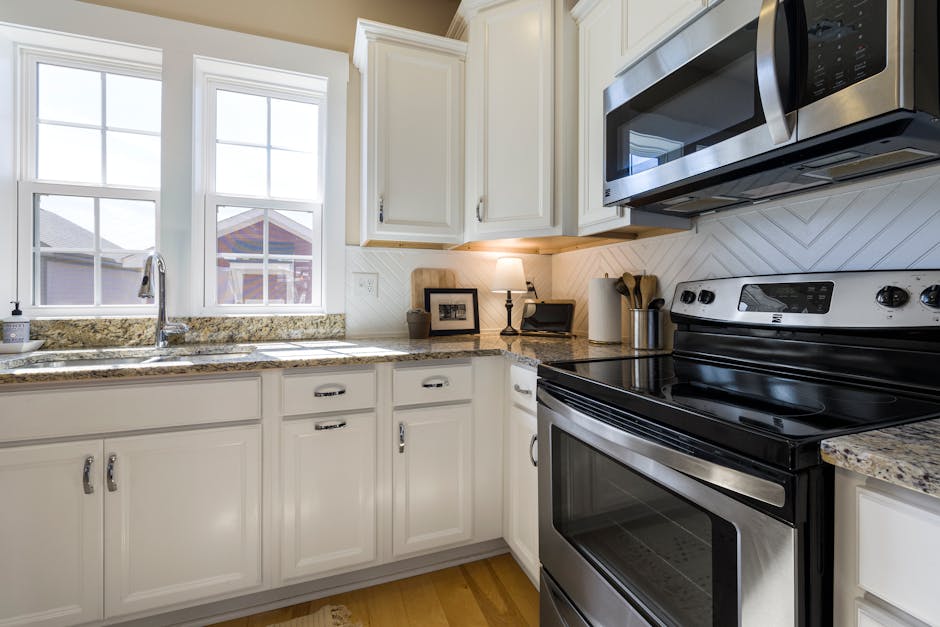
Range hood inserts are becoming an essential component in modern kitchens, significantly enhancing air quality and safety. As cooking methods evolve and home chefs become more adventurous, the need for effective ventilation systems is more critical than ever. Range hood inserts not only eliminate smoke, odors, and airborne grease but also contribute to a healthier cooking environment. This article delves into how these appliances function, their benefits, and the impact they have on kitchen safety and air quality.
What Are Range Hood Inserts?
Range hood inserts are designed to be installed within cabinets or custom-built hoods, providing a seamless look while offering effective ventilation. Unlike standalone range hoods, these inserts are often less conspicuous and can be tailored to fit various kitchen designs. They typically feature powerful fans and filtration systems that work together to remove contaminants from the air as cooking takes place.
The installation of a range hood insert allows for a cleaner aesthetic in the kitchen, as it eliminates the bulky appearance associated with traditional hoods. Furthermore, these inserts can be customized to match the overall design theme of the kitchen while ensuring that the necessary safety and air quality standards are met.
Improving Kitchen Air Quality
One of the primary functions of range hood inserts is to improve air quality in the kitchen. When cooking, especially with methods that produce high levels of smoke or steam, airborne particles can accumulate quickly. Range hood inserts utilize powerful exhaust fans to capture and expel these pollutants, significantly reducing their presence in the home.
Many range hood inserts come equipped with multi-layered filtration systems, commonly including grease filters and charcoal filters. The grease filters capture airborne grease particles, preventing them from settling on kitchen surfaces, while charcoal filters neutralize odors. This dual filtration system ensures that the air released back into the kitchen is cleaner and fresher. By effectively removing harmful particles, range hood inserts play a crucial role in maintaining indoor air quality, which is vital for the health of all household members.
Enhancing Safety in the Kitchen
Beyond improving air quality, range hood inserts significantly enhance safety in the kitchen. Cooking is a common source of kitchen fires, often sparked by the accumulation of grease and other flammable materials. By regularly ventilating the space, these inserts help minimize the likelihood of fire hazards.
Furthermore, a range hood insert can help prevent overheating in the kitchen. High temperatures not only make cooking uncomfortable but can also lead to equipment malfunctions or even structural damage to kitchen cabinetry and appliances. The efficient airflow provided by these inserts helps regulate temperature, contributing to a safer cooking environment. By removing excess heat, homeowners can enjoy a more enjoyable and safer cooking experience.
Energy Efficiency and Noise Levels
Efficiency is another critical advantage of range hood inserts. Modern models are designed with energy-saving technologies, ensuring that they use minimal electricity while still providing powerful ventilation. Many inserts offer multiple fan speeds, allowing users to select the appropriate level of ventilation based on their cooking needs. This flexibility contributes to energy conservation, making range hood inserts an environmentally friendly choice.
Noise levels are often a concern when it comes to kitchen ventilation. However, advancements in technology have led to the development of quieter range hood inserts. These models utilize sound-dampening materials and design improvements to minimize operational noise. Homeowners can enjoy clean air without the distraction of loud machinery, allowing for a more pleasant cooking experience.
Choosing the Right Range Hood Insert
When selecting a range hood insert, several factors should be considered to ensure that it meets specific kitchen needs. The size and type of the cooking appliance play a significant role in determining the appropriate insert. It is crucial to choose an insert that can handle the output of the stove or cooktop to effectively remove smoke and odors.
- CFM Rating: Look for the cubic feet per minute (CFM) rating of the insert, which indicates its air-moving capacity. A higher CFM means more effective ventilation.
- Filtration System: Consider the type of filters used in the insert. Some models require regular filter changes, while others are dishwasher-safe and low-maintenance.
- Design and Finish: Choose a design that complements your kitchen’s aesthetics. Range hood inserts come in various finishes, including stainless steel, black, and custom panel-ready options.
The right choice can enhance kitchen functionality while ensuring the air remains clean and safe. For those interested in exploring options, a variety of range hood inserts are available, designed to fit both style and performance needs.
Conclusion
In summary, range hood inserts are invaluable tools for improving kitchen air quality and safety. They efficiently remove airborne contaminants, reduce fire hazards, and offer energy-efficient operation without excessive noise. As the heart of the home, the kitchen deserves a ventilation system that meets both functional and aesthetic needs. By investing in range hood inserts, homeowners can create a cleaner, safer culinary environment that enhances not only their cooking experience but also their overall health.